Tracy highlight
Growing residential community
Tracy's population has grown from 596 residents at incorporation in 1911 to approximately 100,000 today, with the city actively managing suburban expansion through development controls since 1990.
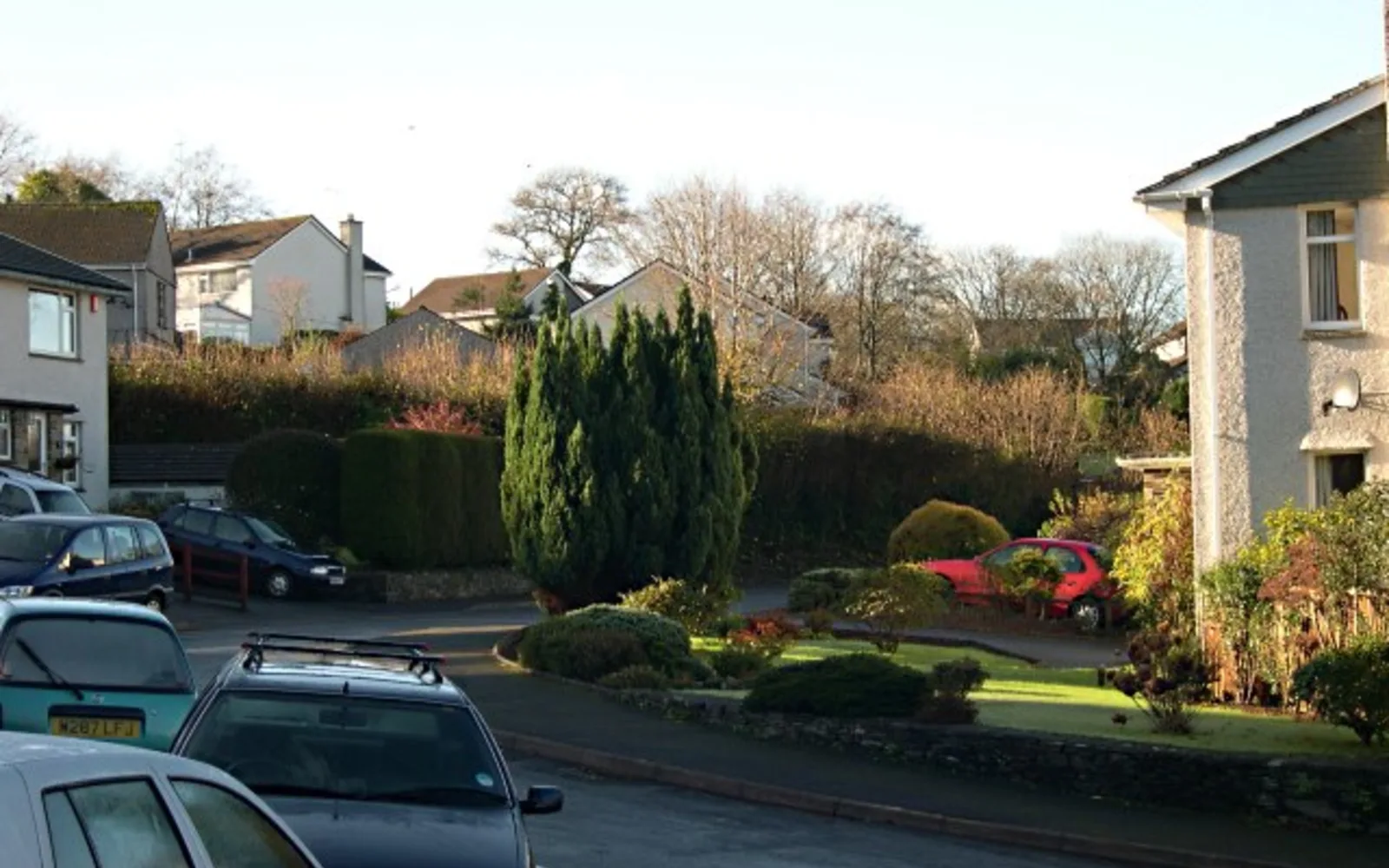
Tracy was incorporated in 1911 as a railroad junction, named after James A. Tracy, a director in the region's early rail operations. For decades it remained a small town anchored to agriculture and rail commerce. The 1990 census showed 33,558 residents; by 2020 the city had reached 93,000; current estimates place it near 100,000. This trajectory reflects broader Bay Area development patterns: as housing costs in San Francisco and the Peninsula climbed, families seeking more affordable homeownership looked inland to the Central Valley.
Tracy's city council recognized the development pressures and passed Measure A in 1990 with the goal of containing and limiting growth to preserve the city's character and manage infrastructure demands. Despite that measure, residential expansion has continued as families seek single-family homes and a lower cost of living than adjacent regions. The city sits strategically within a triangle formed by Interstates 5, 205, and 580, making it accessible both as a residential community and as a center for workers in distribution, agriculture, and regional services.
A household in a growing city faces different insurance needs at different seasons: young renters in their first places, families with mortgages and young children choosing the neighborhood where they will raise them, established households reviewing coverage as children approach independence. Each stage involves the same foundation: a term policy sized to what your income would cover, what you owe, what you want to leave behind. Comparing that need across ten, twenty, and thirty-year terms keeps the premium matched to the years that matter most.